


This article is part of the Land Your Next Role playlist. Click here to explore the full series.
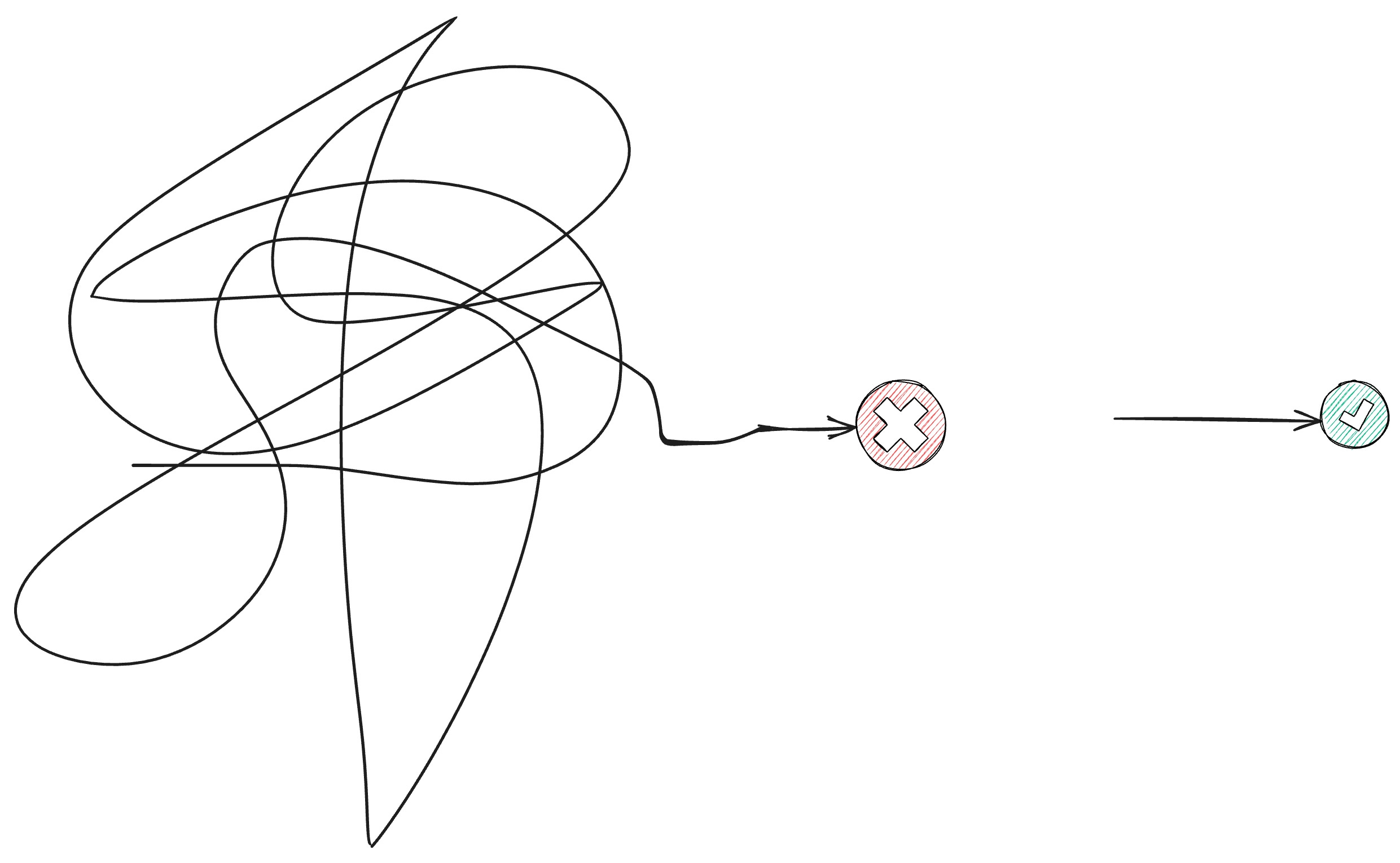
As a hiring manager and coach, I have interviewed hundreds of candidates over the years. The pattern is almost identical every time.
The interviewer asks “Tell me about yourself“. You take a breath and start at the beginning.
You walk through your education, then your first role, then every move after that, including the reorg nobody asked about and the project you are clearly proud of. 5 minutes into your monologue, the interviewer is nodding, but their eyes have gone somewhere else.
I get it, you have a lot to say. The problem is that you are answering a different question than the one being asked.
“Tell me about yourself” is not an invitation to walk through your resume. It is the one moment in the entire interview where you hold the controls. You decide what they ask you next. Most candidates hand that back immediately and spend the next five or even ten minutes reading from a document the interviewer already read.
You will not do that.
They Already Read Your CV
The interviewer already read your resume. That’s why they called you for an interview.
They did not call you to hear it again. They called you because something on that one-pager was interesting enough to warrant a conversation. The resume did its job. Your job now is different.
Walking through it line by line does not add information. It repeats it, slower, with more words, to someone who is already familiar with the content. Worse, it signals that you do not know the difference between a document and a conversation.
You have not idea how to be effective communicator. And you don’t know what matters the most.
The candidates who impress in the first two minutes are not the ones with the longest history. Hiring managers remember candidates who show up knowing exactly what is relevant for this role and lead with that. Everything else can come out later, in the questions, where it lands with context.
You Only Have 90 Seconds
Spend no more than 90 seconds introducing yourself.
That limit is the difference between giving the interviewer something to grab onto and overwhelming them with everything at once. A short intro forces you to choose what matters. That choice is what signals seniority.
There is another reason to keep it tight: Interviewers follow up on what they heard last. Whatever you end your intro with is where the conversation goes next.
That means your 90 seconds are a steering mechanism. You are deciding, right now, which parts of your experience get explored in depth and which ones stay in the background.
Most candidates never realize this.
They treat the opener as a formality to get through. It is the opposite. It is the most leverage you have in the entire conversation.