



Yanko asked me, “Why companies have a data team that builds bespoke things instead of buying a service?“
Yanko has nothing to do with data, and he asked the question every business‑oriented person would.
These kinds of people love building products that serve entire segments and solving problems for large groups of people. And that’s why business people don’t really see why they need data teams. Even more so in the age of AI.
But that is not how data works.
The messier the business, the messier the data.
Businesses make money in different ways, so their definitions and risk are local. Metrics need bespoke agreements and processes first, then tools.
why data platforms fail on metrics
You probably think data is hard because of the technicalities. The hard part lives in the business and agreeing what a number means.
In practice, the messy parts do live in the business. I’ve never seen a business where everything is clear. I usually see at least a few of these things being unclear:
Local definitions of “user“, “active account“, “revenue“ and “churn“, each with edge cases the tool cannot infer.
Ownership: who can change a metric, who fixes an incident, who signs off a break.
Decision context: the same number can fund opposite actions in different quarters.
Who counts as a user in your world, and where do you read that from?
When do you book revenue, and what do you do with credits and refunds?
What happens to history when you migrate or merge accounts?
Who can change a metric when the edge case shows up?
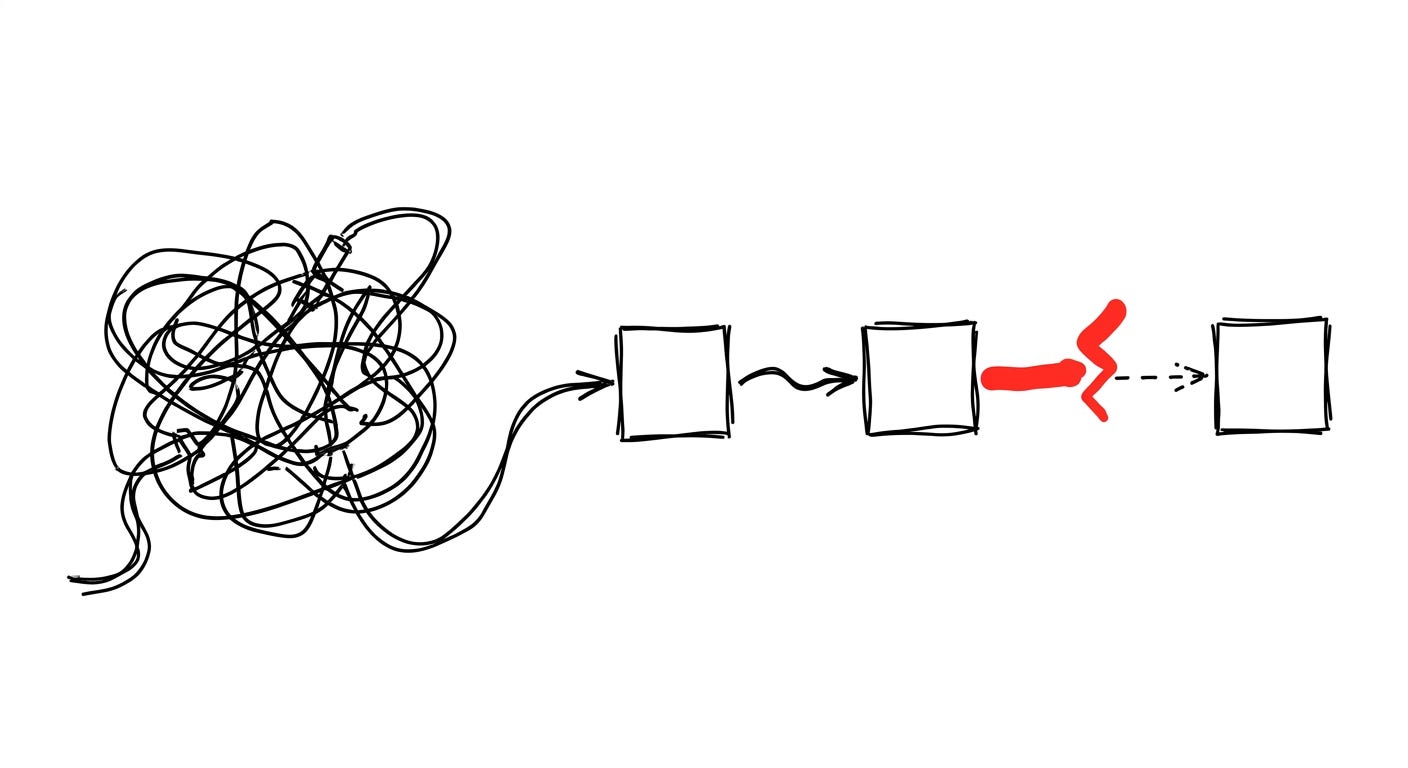
A universal “data platform as a service“ fails at the first real edge case. Two companies can sell the same product in the same market and still make money in different ways. Definitions, contracts and risk appetite are local. A platform cannot guess them.
Purchases wearing a strategy costume are bullshit, and not a single platform can solve this mess.
automation and ai help, but they don’t set metric definitions
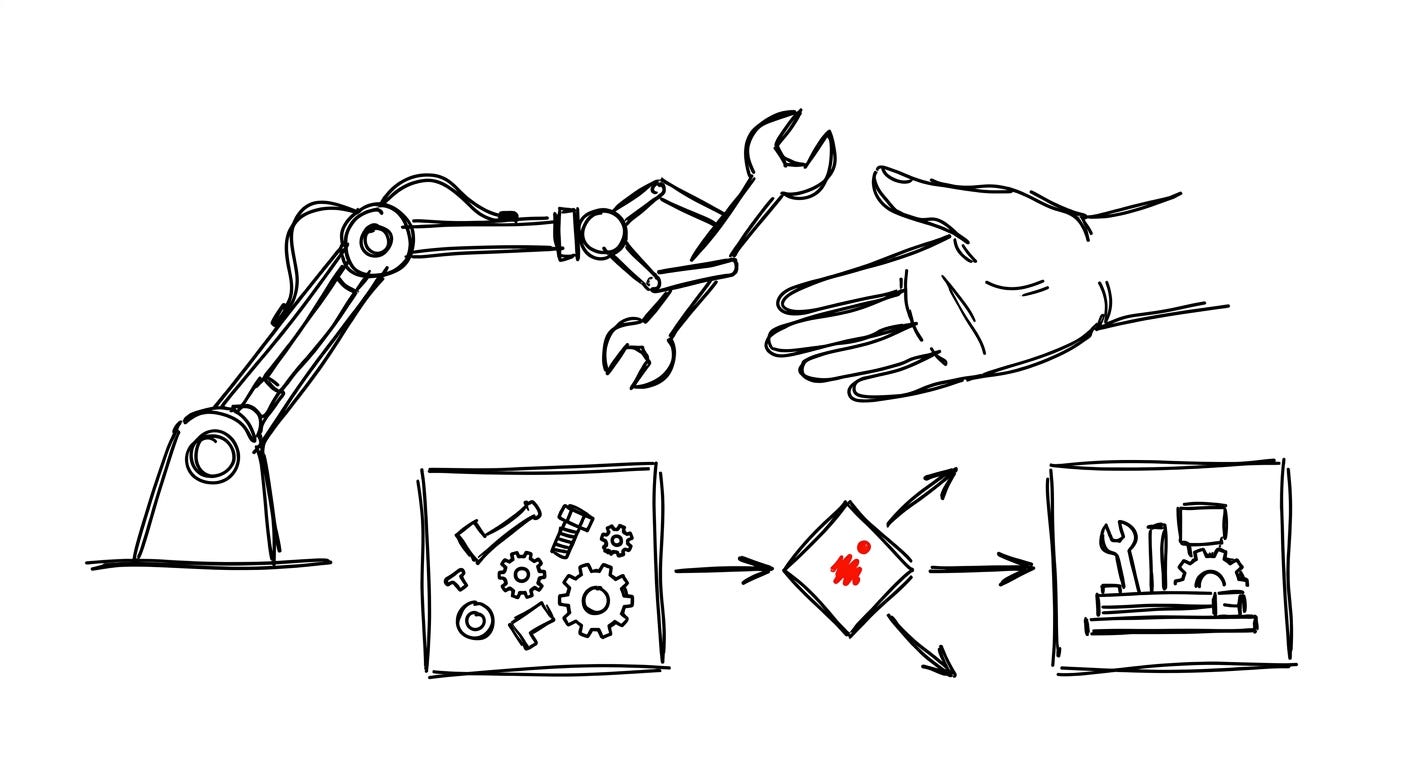
Don’t get me wrong. Automation is great, and you need to use it where possible, but apply rigour instead of just going all in.
Find sources and schemas faster from logs and sample reads.
Propose a first semantic layer that maps tables to entities, but still edit it.
Generate candidate tests from definitions and sample data, and only keep the ones that bite.
Keep lineage and incident logs fresh so you can see blast radius and time to fix.
Draft docs from your models and contracts. Notice I said draft, and not decide.
Automation, and that includes AI:
Can propose links between datasets from keys, but can’t pick the source of truth when systems disagree.
Can sketch a revenue table, but can’t choose cash versus accrual or handle partial refunds the way finance does.
Can label events as sessions or tasks, but can’t say which action proves value for your business model.
These things cut time, but don’t replace agreements. You still set the metric and price the failure.
the operator move is metric contracts and workshops
Instead of buying a platform and hoping for the best, you need to fix these with a process. Here’s what to do.
1. run metrics workshops
Run this once for the KPI on your decision page. Keep it tight, and spend 45 minutes following this agenda:
State the decision. Name the KPI, Key Performance Indicator, and the person who signs.
Inclusions on the board. What always counts. Stop when it gets fuzzy.
Exclusions on the board. What never counts. Call out test users and credits.
Edge cases. Trials, migrations, partial refunds, upgrades mid cycle.
Plain words formula. No technical spec yet. Read it out loud.
Owner, tests, Service Level Agreement (SLA), and the date of the next check.
Take a screenshot, and write the contract.
2. the metric contract
A metric contract is a short, plain words agreement that names the owner, scope, inclusions, exclusions and tests for a metric.
Treat a metric like a promise by writing it down, naming an owner and testing it.
My Black Friday promotion almost finished. Upgrade now at an all-time low cost and unlock all 100+ templates and tools, including my digital twin and promotion case course.